

Loan Guides · Tradies · 7 min read
Tradie Finance: Why Newly Self-Employed Tradies Are Opting for Low Doc Loans
Going out on your own as an electrician, carpenter, plumber, builder or any other trade is a big move. You register your ABN, line up your first jobs, buy materials, book your subbies, and then wait. The money for the job you finished last month might not land for weeks, and the bills for this month’s job are already due.
That gap between paying out and getting paid is the reality of running a trade business, and it’s also why so many newly self-employed tradies struggle to get finance from a bank. Most lenders want two years of tax returns and a steady income they can read off a payslip. A first-year self-employed sparky, chippie or plumber has neither.
This guide covers how tradie cash flow actually works, why it looks messy to a traditional lender, and how a low doc personal loan can help you fund the business while you build a trading history.
The tradie cash flow problem: you pay at the start and get paid at the end
Most employees never think about cash flow. Pay lands every fortnight, the bills go out, and the pattern repeats. When you work for yourself, especially on fixed-price jobs, the money moves in a very different order.
When you get paid
+
At the end of the job, or at set stages. Residential work is often invoiced at completion or in progress payments tied to milestones, such as frame, lock-up or fit-off.
+
On payment terms. Even after you invoice, builders and commercial clients commonly pay on 14, 30 or even 45 day terms.
+
With retentions held back. On commercial and some builder-led work, a percentage of each payment is held as a retention until the defects liability period ends, which can be months after you’ve left site.
+
Sometimes late. One slow-paying client can push a whole month’s income back.
Who you pay first
+
Subcontractors. Subbies usually expect to be paid weekly or at the end of their part of the job, regardless of when your client pays you.
+
Suppliers and materials. New businesses often pay cash on delivery until they’ve built a trade account history, and even established accounts are due on 30 day terms. Even if you charge a 50% deposit to the customer to cover these costs, that’s still 50% left at risk.
+
Running costs. Fuel, tolls, tools, insurance, licences and your ute repayments come out every week.

What this looks like on a real job
Here’s a simplified example. You win a $45,000 renovation that runs for six weeks.
Timing
Money out
Money in
Week 1
Out: Materials and deposit on fixtures
In: None (potentially a deposit)
Weeks 1 to 6
Out: Your subbie, weekly
In: None
Week 6
Out: Final materials, skip bin, cleanup
In: Job complete, invoice sent
Week 8
Out: None
In: Client pays on 14 day terms
The trough
For roughly eight weeks, you’re carrying the cost of the job yourself. If you’re running two or three jobs at once, that gap grows with each one. This is the point where many new tradies either turn down work they could do, or put materials on a high-interest credit card.
Why tradie income looks messy to a traditional lender
The same cash flow pattern that’s normal for a trade business works against you when you apply for standard finance:
Your income is lumpy
A $45,000 payment one month and almost nothing the next looks unstable, even when your annual turnover is solid.
You don’t have a tax return yet
If you started trading this financial year, there’s no return to show. Even in year two, your first return may cover only part of a year.
Your turnover and your take-home pay are very different numbers
A lot of what comes in goes straight back out to subbies and suppliers, so lenders can struggle to work out what you actually earn.
You don’t have payslips
Most sole traders draw money from the business as needed instead of paying themselves a wage.
A healthy trade business can still look uneven on paper, because the standard documents weren’t designed around how tradies get paid.
Why newly self-employed tradies are choosing low doc loans
A low doc personal loan assesses your income using documents that suit how a trade business works, instead of two years of tax returns and payslips you don’t have.
You don’t need bank statements
With a low doc loan, you don’t need to hand over months of bank statements. This is especially important for tradies, because statements full of big supplier payments and irregular client deposits rarely show the real picture.
Instead, the lender looks at:
Your ABN status
An active, GST-registered ABN, usually registered for at least 12 months (24 with some lenders)
Your BAS
Business Activity Statements show the turnover you’ve reported to the ATO
An accountant’s letter
Confirms your income and that the business is trading
Your invoices and contracts
Signed contracts, accepted quotes and progress claims show the work you’ve got coming in
Our guide to what you can use instead of payslips or bank statements covers each of these documents in more detail.
Invoices and contracts work in your favour
Tradies have an advantage many other self-employed borrowers don’t: a paper trail of work. A signed contract for a $60,000 job, or a run of accepted quotes for the next three months, shows a lender that income is coming even if it hasn’t landed yet. Keep these organised.
It’s built for people without a long trading history
Specialist lenders deal with self-employed borrowers every day. They expect lumpy income and a short track record, and they assess your application with that in mind.
What tradies use this finance for
Bridging the gap on bigger jobs
Covering materials and subbie payments on a job you’ve already won, so you’re not turning down work while you wait for invoices to be paid.
Tools and equipment
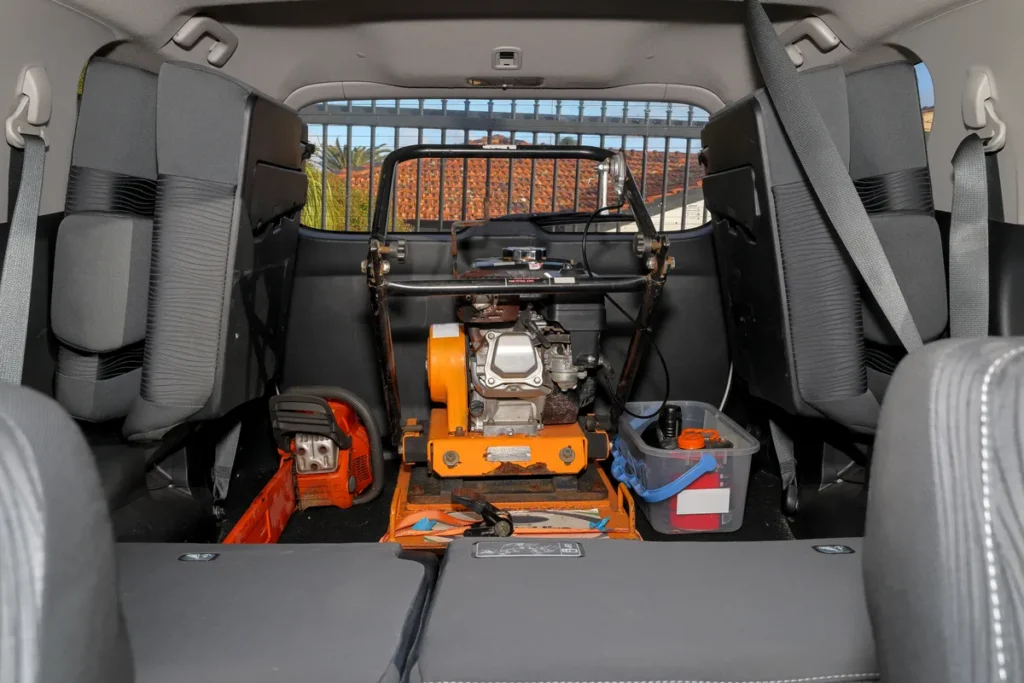
Compressors, welders, scaffolding, diagnostic gear or a second set of tools for a new employee. For larger equipment purchases, equipment finance secured against the item itself may be the better fit.
A ute, van or trailer
If the main purchase is a work vehicle, ABN vehicle finance is usually structured differently from a personal loan, and we’ll compare both.
Taking on a bigger contract
Moving from small residential jobs to builder or commercial work often means longer payment terms and retentions, and more money tied up at once.
We’ll match the loan type to what the money is for, because the right structure depends on the purchase.
What it costs
Low doc loans generally carry higher interest rates than full doc loans, because the lender is working with less documentation. The rate you’re offered depends on your credit history, how long you’ve been trading, the strength of your documents, and if the loan is secured against an asset.
When comparing offers, look at the comparison rate as well as the advertised rate, and check for establishment fees, monthly fees and early exit fees. If the cost of carrying a job on a credit card is your alternative, a structured loan is often the cheaper and more predictable option.
Plan your next step
Once you’ve built two years of trading history and lodged your returns, you may be able to refinance into a full doc loan at a lower rate. We’ll let you know when that makes sense.
How to strengthen your application as a tradie
Invoice promptly and keep records
The faster you invoice, the faster you get paid, and the cleaner your paper trail looks.
Lodge your BAS on time
Up-to-date BAS lodgements are one of the strongest documents you can provide.
Keep signed contracts and accepted quotes
These show lenders the income you’ve got coming in over the next few months.
Use a separate business account
It makes your income easier to follow and your BAS easier for your accountant to prepare.
Get your accountant on board early
A current accountant’s letter can carry a lot of weight with specialist lenders.
Borrow what the job needs
A loan sized to the actual gap is easier to approve and easier to repay.
Frequently asked questions
Can I get a loan with a new ABN?
Yes, although most lenders want your ABN registered for at least 12 months, and some ask for 24 months. If your ABN is newer than that, talk to us and we’ll check which lenders on our panel can help.
Do tradies need bank statements for a low doc loan?
No. With a low doc personal loan, you don’t need to provide bank statements. The lender relies on your ABN status, BAS, accountant’s letter, and invoices or contracts.
Can I use a loan to cover materials and subcontractors?
In many cases, yes. Finance is commonly used as working capital to cover the cost of a job before the client pays. We’ll confirm the right loan type for that purpose before you apply.
What if my clients pay late?
Late payments are one of the main reasons tradies run short on cash. Building a buffer with the right finance, and tightening your payment terms and invoicing habits, both help.
Are low doc loans more expensive?
Generally, yes. Rates are usually higher than full doc loans because the lender has less documentation to rely on. Comparing lenders and offering security can bring the cost down.
Can I refinance once I have two years of tax returns?
Yes. Once you’ve built a full trading history, refinancing into a full doc loan can lower your rate and repayments.
Talk to a broker who understands tradie cash flow
We work with 40+ lenders, including specialist lenders who assess self-employed tradies every day. We understand progress payments, retentions and the reality of paying subbies before your client pays you, and we’ll match your situation to a lender that does too. Explore our low doc personal loan options or get in touch for a quick chat about your next job.